Long drives across states, to hill stations or to visit family can be some of the most memorable trips. A breakdown on a remote highway or a missing document at a checkpoint can spoil them. A little preparation before you leave makes the journey safer and far more relaxing.
A week before: mechanical checks
If a service is due soon, get it done before the trip rather than after. Otherwise, check the essentials yourself or at a trusted workshop.
- Tyres: look for adequate tread, cuts, bulges and uneven wear, and set pressure according to the manufacturer's load recommendations. Do not forget the spare.
- Engine oil and coolant: top up to the correct levels.
- Brake fluid and brakes: check fluid level and listen for unusual noises.
- Battery: ensure terminals are clean and the battery holds charge well.
- Lights and horn: test headlights, brake lights, indicators and hazard lights.
- Wipers and washer fluid: essential for dust and unexpected rain.
- AC: confirm it cools properly before a long hot drive.
Documents to carry
- Driving licence for each driver.
- Registration certificate, insurance and pollution under control certificate, in original or valid digital form.
- FASTag with sufficient balance for tolls.
- Any permits needed for interstate or commercial travel, where applicable.
- Emergency contacts and roadside assistance numbers.
Emergency kit
- Jack, wheel spanner and a working spare tyre.
- Jump leads or a portable jump starter.
- Torch with spare batteries.
- First-aid kit and any personal medicines.
- Reflective warning triangle.
- Basic tools, tow rope and duct tape.
- Drinking water and some non-perishable snacks.
- Phone charger and a power bank.
Plan the route
Check road conditions, ongoing construction and weather along the route. In hilly or remote areas, mobile coverage may be patchy, so download offline maps. Identify fuel stations or EV charging points, particularly on less-travelled stretches, and avoid letting the tank or battery run low.
Load the car sensibly
Do not exceed the car's rated load. Place heavy luggage low and towards the centre of the boot. Secure loose items so they do not become projectiles under hard braking. If using a roof carrier, remember that it changes handling and fuel efficiency.
Manage driver fatigue
Fatigue is a major cause of highway accidents. Get a good night's sleep before the trip, take a break roughly every two hours, share driving where possible and avoid driving late at night when you would normally be asleep. If you feel drowsy, stop at a safe place and rest. Coffee and open windows are not substitutes for sleep.
Highway driving habits
- Keep a safe distance and respect speed limits, which vary by road type and state.
- Overtake only when you have clear visibility and space.
- Watch out for animals, slow vehicles and vehicles on the wrong side.
- Use indicators early and avoid sudden lane changes.
- Ensure everyone wears seat belts, including rear passengers.
Electric car road trips
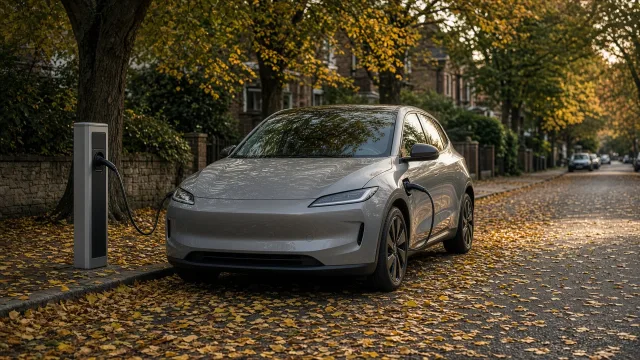
If you drive an electric car, plan charging stops in advance and keep a backup option near each one, as chargers can be busy or out of service. Remember that high speeds, AC use, hills and heavy loads reduce range. Arrive at chargers with a comfortable buffer rather than running the battery very low.
Travelling with children and older family members
Plan more frequent stops, keep snacks, water and entertainment within reach, and use appropriate child restraints for young children. Make sure older passengers have easy access to their medicines and are seated comfortably. Share the route and expected arrival time with someone at home, and check in at major stops so they know you are safe.
Wrapping up
Service or check the car in advance, carry all documents and an emergency kit, plan your route and stops, load carefully and drive rested. Then you can enjoy the open road with fewer worries.