For the past few years, skincare has felt like an arms race: stronger acids, higher percentages of retinoids, more steps and more actives. This autumn, the mood has changed. Dermatologists and beauty editors describe a move away from attacking the skin and towards helping it recover.
"I'm predicting fall trends will lead back to skin recalibration," New York dermatologist Dr Dendy Engelman told Cosmopolitan in September 2026. "In the past few years, we've all tried the actives, enzymes, and growth factors, and I'm now starting to see patients who are more concerned with calming the barrier rather than challenging it."
Here's what that shift looks like, which ingredients are leading it and how to build a calmer routine for the colder months.
What is the skin barrier, and why does it matter?
The skin barrier is the outermost layer of your skin. It's often compared to a brick wall, with skin cells as the bricks and natural fats such as ceramides as the mortar. A healthy barrier keeps moisture in and irritants out. When it's damaged, by over-exfoliating, harsh cleansers, cold wind or dry indoor heating, skin can feel tight, sting when you apply products, look red or flaky, and break out more easily.
Autumn and winter are tough on the barrier. Lower humidity and central heating draw moisture from the skin, which is why so many people notice irritation as the seasons change.
The ingredients leading the calm-skin trend
Ectoin
Dr Engelman singled out ectoin as an ingredient she's especially interested in, describing it as "a stress-protective molecule that helps support hydration and barrier function". Ectoin is produced naturally by microorganisms that live in harsh environments such as salt flats, and it is increasingly appearing in soothing serums, masks and moisturisers.
Ceramides and niacinamide
These dependable barrier-supporting ingredients remain staples of autumn routines. Ceramides help replace the skin's natural fats, while niacinamide is widely used to support barrier function and calm redness.
Regenerative newcomers
Ingredients such as PDRN and exosomes, associated with wound healing and repair, are also attracting attention, both online and in treatment rooms, according to Dr Engelman.
Everything is milky
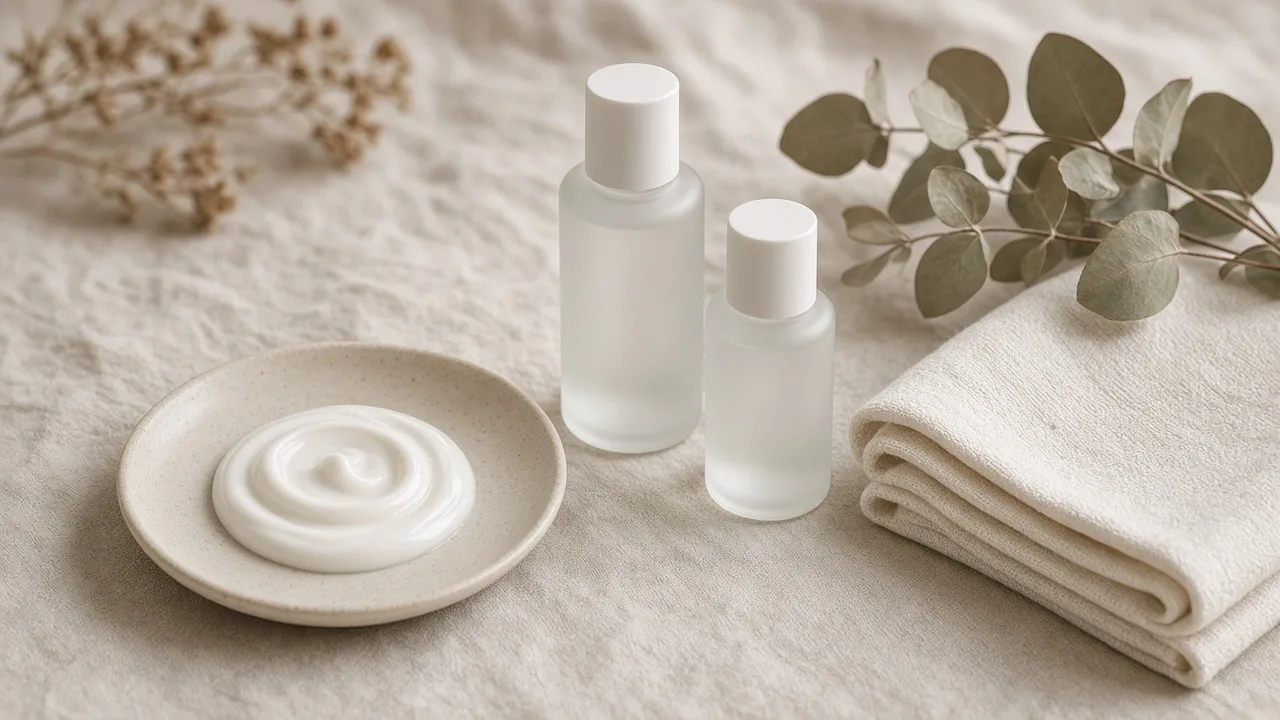
One of the most visible trends is texture. Milky toners, serums, moisturisers and even sunscreens are everywhere. Dr Engelman told Cosmopolitan that milky products "offer lightweight moisture without feeling heavy on the skin" and suit dry, sensitive or normal skin. "Provided they do not contain comedogenic ingredients, they can even be a great option for oily, acne-prone skin," she added. Because they layer easily, many double as a hydrating base under make-up.
The new goal isn't to make your skin do more. It's to give it what it needs to do its job well.
What to cut back on
A calmer routine is as much about subtraction as addition. In an October 2026 roundup, dermatologists speaking to Real Simple warned that some common products, including harsh toners, gritty scrubs, certain oils and wipes, may do more harm than good for some skin types. Signs you may be overdoing it include stinging, persistent redness, a tight feeling after cleansing and skin that's both oily and flaky.
- Limit exfoliating acids to a couple of times a week, or pause them entirely if skin is irritated.
- Don't stack several strong actives, such as retinoids, exfoliating acids and vitamin C, in the same routine.
- Swap harsh foaming cleansers for gentle, low-foam or cream cleansers.
- Skip abrasive scrubs on sensitive or inflamed skin.
A simple calm-skin routine for autumn
Morning
- Rinse with lukewarm water or use a gentle cleanser.
- Apply a hydrating serum or milky essence.
- Moisturise with a barrier-supporting cream.
- Finish with broad-spectrum sunscreen. UV exposure continues through cooler months.
Evening
- Cleanse gently, double-cleansing only if you wear heavy make-up or water-resistant sunscreen.
- Apply a treatment only if your skin is comfortable. On sensitive nights, skip it.
- Seal in moisture with a richer cream as the air gets drier.
Don't drop sunscreen
Shorter days can make sunscreen feel optional, but beauty editors expect a big season for SPF. New UV filters are making formulas lighter and more comfortable to wear, which makes daily use far easier to stick to.
How long does barrier repair take?
Patience is part of the routine. Skin renews its outer layers continuously, and a stressed barrier often starts to feel noticeably more comfortable within a couple of weeks of simplifying your products. Full recovery can take longer, particularly after over-exfoliation or a reaction. During that time, resist the urge to add new products one after another. If you want to reintroduce an active such as a retinoid or exfoliating acid, add one at a time, use it a couple of nights a week and wait to see how your skin responds before doing more.
Calm-skin habits beyond products
- Wash with lukewarm rather than hot water, and pat skin dry instead of rubbing.
- Run a humidifier in heated rooms during winter.
- Change pillowcases regularly and keep phone screens clean.
- Protect skin from cold wind with a scarf on blustery days.
When to see a professional
If irritation persists for more than a couple of weeks after simplifying your routine, or if you have painful breakouts, swelling or a rash, see a dermatologist or doctor. Conditions such as eczema, rosacea and contact dermatitis need proper diagnosis and treatment.
The takeaway
Fall 2026 skincare is less about chasing the next powerful active and more about resilience. Gentle cleansing, barrier-supporting ingredients such as ectoin and ceramides, comfortable milky textures and daily sunscreen form a routine that's easier to follow, kinder to your skin and well suited to the colder months.