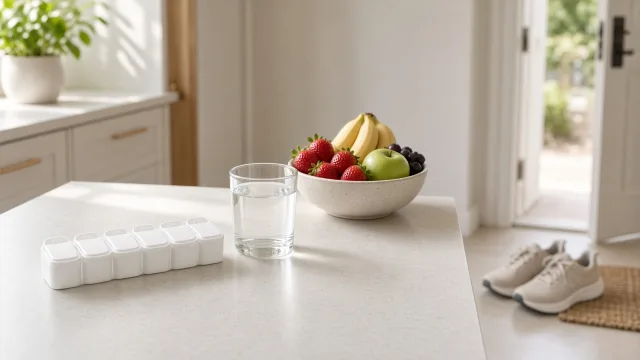
If the idea of a gym membership feels daunting, walking might be the perfect place to begin. It needs no special equipment, costs nothing and can fit into almost any schedule. Regular walking is linked to better heart health, steadier blood sugar, improved mood and better sleep. The real challenge is not the walking itself but making it a habit you keep.
Why walking works so well
Walking is gentle on the joints, suitable for most ages and easy to adjust. You can walk in a park, around your housing society, on a terrace or even inside a mall on a rainy day. Because it feels manageable, people are more likely to stick with it than with intense workouts they dread.
Get the basics right
- Footwear: Choose comfortable shoes with good cushioning and support. Avoid walking long distances in chappals or flat slip-ons.
- Clothing: Wear light, breathable cotton or quick-dry fabrics. Carry a light jacket in winter mornings.
- Water: Take a bottle, especially in summer.
- Posture: Keep your head up, shoulders relaxed and arms swinging naturally. Look ahead rather than down at your phone.
Pick the right time
In much of India, heat and pollution affect when walking is comfortable.
- Early morning is cooler in summer and tends to be quieter.
- Evening walks after sunset work well for many working people.
- On high-pollution days, consider walking indoors, on a terrace with fewer vehicles nearby, or shortening the session.
- After meals, a gentle 10 to 15 minute stroll can aid digestion and is a lovely family habit.
A simple four-week beginner plan
Go at a pace where you can talk but feel slightly breathless. Adjust as needed.
- Week 1: Walk 10 to 15 minutes, five days a week. Focus only on showing up.
- Week 2: Increase to 20 minutes, five days a week.
- Week 3: Walk 25 to 30 minutes. Add a few one-minute bursts of brisker walking.
- Week 4: Aim for 30 minutes on most days, with one longer, relaxed walk at the weekend.
Many health guidelines suggest about 150 minutes of moderate activity a week for adults. Thirty minutes, five days a week, gets you there.
Find extra steps in your day
Not every step has to come from a dedicated walk.
- Take the stairs for a floor or two.
- Get off the bus or auto a stop early.
- Walk to the local kirana shop instead of ordering everything online.
- Pace during phone calls.
- Walk around the house or office for a few minutes every hour.
Stay motivated
- Walk with someone. A friend, spouse, neighbour or the family dog keeps you accountable.
- Track your progress with a simple pedometer app or a calendar where you tick off each day.
- Make it enjoyable. Listen to music, a podcast or simply enjoy the morning birds.
- Vary your route to keep things interesting.
- Do not chase perfection. Missing a day is fine; just return to it the next day.
Warm up and cool down
Start each walk at an easy pace for the first few minutes and slow down again at the end. A few gentle stretches for your calves, thighs and hips afterwards can help reduce stiffness, especially as you increase your time.
Listen to your body
Some mild muscle soreness in the first week is normal. However, stop and rest if you feel chest pain, severe breathlessness, dizziness or sharp joint pain. If you have a heart condition, diabetes, joint problems or have been inactive for a long time, it is wise to get a check-up before starting.
Small steps, lasting results
The beauty of walking lies in its simplicity. Start smaller than you think you need to, increase gradually and celebrate consistency rather than distance. Within a few weeks, your daily walk may become the part of the day you look forward to most.
Note: This article offers general guidance only; if you have a medical condition or any symptoms during exercise, please consult a doctor.