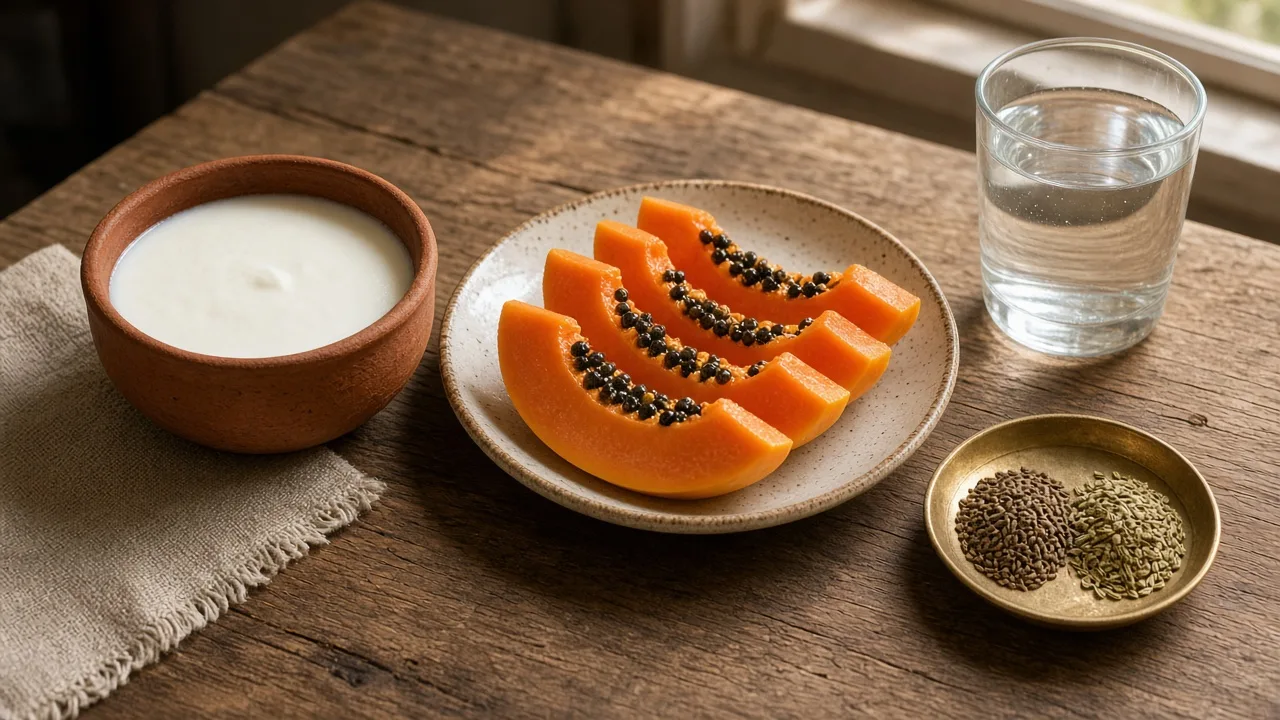
Most of us have experienced digestive discomfort at some point: bloating after a heavy meal, acidity after too much chai on an empty stomach, or sluggishness after a week of irregular eating. Digestion affects our energy, mood and comfort through the day. Thankfully, small, consistent habits can go a long way in keeping your gut happy.
Eat at regular times
Your digestive system likes a rhythm. Skipping breakfast, having a very late lunch and then a heavy dinner close to midnight can leave you feeling uncomfortable.
- Try to eat meals at roughly the same times each day.
- Avoid going very long periods without food, which can lead to overeating later.
- Finish dinner two to three hours before bedtime.
Add more fibre, gradually
Fibre helps keep bowel movements regular and feeds the beneficial bacteria in your gut. Indian kitchens are full of fibre-rich options.
- Whole grains: whole wheat atta, brown rice, oats, jowar, bajra and ragi
- Pulses: dals, rajma, chole, moong and sprouts
- Vegetables: bhindi, beans, carrots, leafy greens and gourds
- Fruits: guava, papaya, pears, apples and bananas
- Seeds: flaxseed and chia seeds in small amounts
Increase fibre slowly over a couple of weeks and drink enough water alongside it, or you may feel more bloated at first.
Include fermented foods
Traditional fermented foods can support a healthy gut.
- Home-set curd and buttermilk
- Idli, dosa and dhokla made from fermented batter
- Homemade kanji and traditionally fermented pickles in small portions
Drink enough water
Water helps fibre do its job and keeps things moving. Sip water through the day rather than drinking large amounts in one go. A glass of warm water in the morning is a comforting habit for many people.
Eat mindfully
How you eat is as important as what you eat.
- Sit down to eat rather than eating on the go.
- Chew well. Digestion begins in the mouth, and chewing slowly reduces the load on the stomach.
- Put the phone away so you notice when you are full.
- Stop at comfortably full, not stuffed.
Use traditional kitchen helpers
Many Indian households use spices and seeds after meals. Chewing a little saunf (fennel), sipping jeera water or adding ajwain and hing to dals are long-standing traditions that many people find soothing. Enjoy them as part of your food rather than as a cure.
Notice your triggers
Different foods affect people differently. Keep a simple food diary for a week or two if you often feel uncomfortable. Common triggers include:
- Very spicy, oily or fried foods
- Large amounts of tea or coffee, especially on an empty stomach
- Carbonated drinks
- Very large, late meals
- Milk for those who are lactose intolerant
Move after meals
A gentle 10 to 15 minute walk after lunch or dinner can help digestion and prevent that heavy feeling. Avoid lying down immediately after eating, especially if you are prone to acidity.
Manage stress and sleep
The gut and brain are closely connected. Stress can trigger or worsen digestive symptoms, and poor sleep can throw off your appetite. Relaxation techniques, regular exercise and a steady sleep routine all support better digestion.
Be careful with self-medication
Frequent use of antacids, laxatives or painkillers without guidance can create other problems. If you find yourself relying on them often, it is better to understand the root cause with professional help.
Warning signs not to ignore
See a doctor if you have persistent abdominal pain, blood in your stool, unexplained weight loss, difficulty swallowing, ongoing vomiting or a sudden change in bowel habits lasting more than a couple of weeks.
Small changes, steady comfort
Better digestion rarely comes from a single superfood. It comes from regular meals, more fibre and water, fermented foods, mindful eating and gentle movement. Start with one or two habits and build from there.
Note: This article offers general guidance only; if you have ongoing digestive symptoms, please consult a doctor.